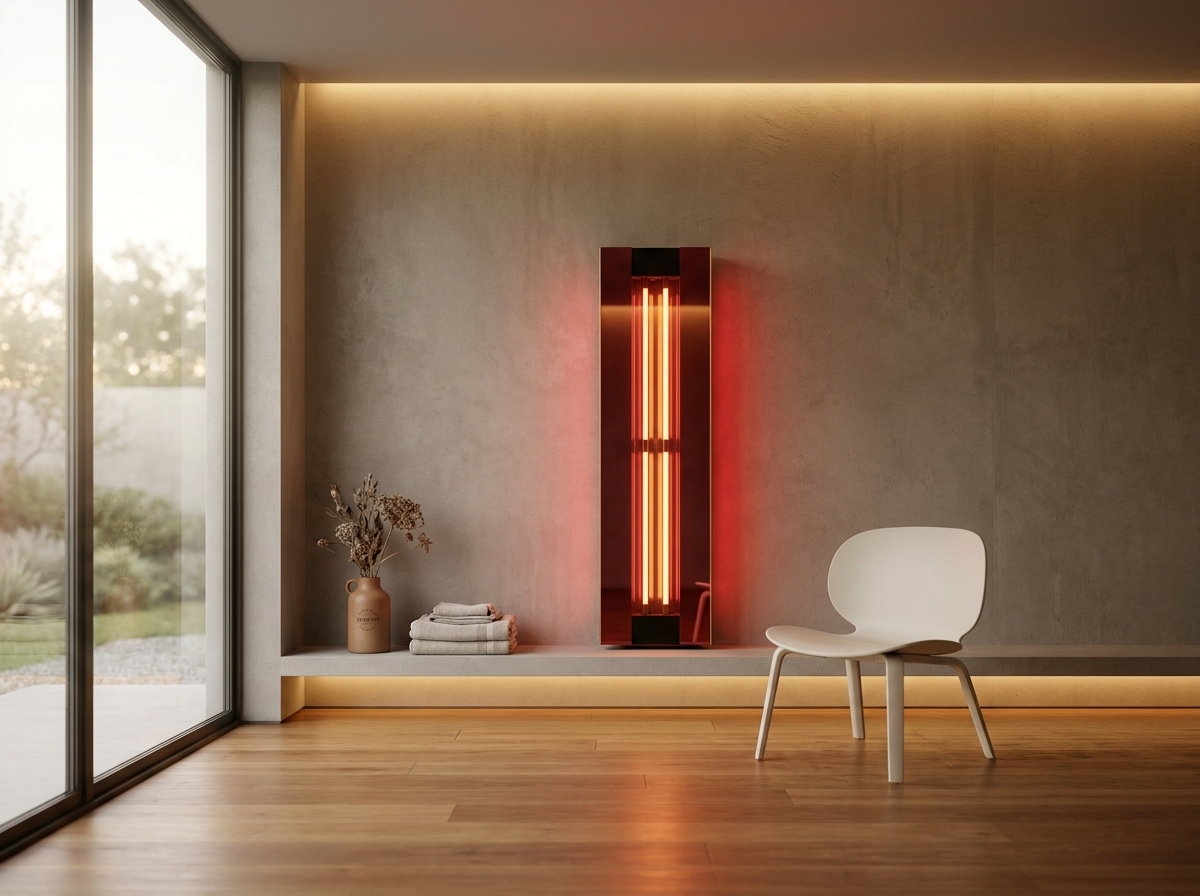
Red Light Therapy: The Complete 2026 Guide
Medically reviewed by the Royal Wellness Medical Advisory Board · Last reviewed May 2026 · 12-minute read
Quick Answer
Red light therapy is a non-invasive treatment that uses 600–850 nanometer wavelengths of red and near-infrared light to stimulate mitochondrial energy production in human cells. It is supported by over 7,000 peer-reviewed studies for skin rejuvenation, muscle recovery, joint pain, and hair growth, with emerging evidence for sleep, brain function, and wound healing. Sessions typically last 10–20 minutes, 3–5 times per week, with measurable results appearing in 4–12 weeks depending on the goal.
Key Takeaways
·What it is: photobiomodulation (PBM) — light therapy using 600–850 nm wavelengths
·How it works: absorbed by cytochrome c oxidase in mitochondria, boosts ATP production
·Strongest evidence for: skin aging, muscle recovery, joint pain, hair regrowth
·Typical protocol: 10–20 minutes, 3–5 times weekly, at 6–12 inches from the device
·Safety: one of the strongest safety profiles in wellness; 60+ years of research with no documented long-term adverse effects
At a Glance: Key Facts and Statistics
·Peer-reviewed studies on photobiomodulation: 7,000+ (NCBI/PubMed database, 2026)
·ATP increase in irradiated cells: up to 200% (Hamblin, 2017)
·DOMS reduction after exercise: up to 50% (Ferraresi et al., 2016)
·Recovery time acceleration: 30–47% (Tomazoni et al., 2022)
·Hair count increase in androgenetic alopecia: 35% vs sham at 26 weeks (Lanzafame et al., 2014)
·Knee osteoarthritis pain reduction: 30–50% (WALT clinical guidelines)
·Year FDA cleared LLLT for hair loss: 2007 (FDA 510(k) database)
·Optical window for therapeutic light: 600–1200 nm (photobiology consensus)
Medical Disclaimer: This article is for educational purposes only and is not medical advice. It does not replace consultation with a licensed healthcare provider. Speak to your physician before starting any new wellness or therapy protocol, particularly if you have a medical condition or take prescription medications.
Introduction: Why Red Light Therapy Moved From Lab to Living Room
A decade ago, photobiomodulation was a niche modality used in physical therapy clinics and dermatology offices. Today, it sits in living rooms, home gyms, and bathroom counters of millions of households. The shift was not driven by hype — it was driven by clinical evidence accumulating over 60 years and consumer devices finally reaching the irradiance levels needed to replicate clinical results at home.
This guide is the resource you can hand to a skeptical friend, a curious athlete, or your own physician. It covers the mechanism, the wavelengths, the evidence, the protocols, the devices, the safety profile, and — just as important — what red light therapy will not do. Every claim is anchored to peer-reviewed research, with sources listed at the end.
By the time you finish, you will know exactly how to evaluate a device, design a protocol, and set realistic expectations. No marketing language. No miracle claims. Just what the science currently supports.
What Is Red Light Therapy?
Red light therapy — clinically known as photobiomodulation (PBM) or low-level light therapy (LLLT) — uses specific wavelengths of red and near-infrared light to stimulate biological processes inside human cells. Unlike ultraviolet (UV) light, which damages DNA and ages skin, red and near-infrared light fall on the other side of the visible spectrum and produce no thermal damage, no DNA mutagenesis, and no detectable harm at therapeutic doses.
The wavelengths used in red light therapy sit in two overlapping ranges:
·Visible red light: approximately 620–700 nanometers (nm), perceived by the human eye as deep red
·Near-infrared (NIR) light: approximately 700–1100 nm, invisible to the human eye but felt as gentle warmth
Inside your cells, this light is absorbed primarily by mitochondria — the energy-producing organelles inside almost every cell in your body. The absorption triggers a cascade of cellular events that ultimately increases adenosine triphosphate (ATP) production, the molecule that fuels every biological process from muscle contraction to wound healing.
A Short History
Red light therapy traces back to 1967, when Endre Mester at Semmelweis University in Hungary discovered that low-power laser light accelerated wound healing in mice. His work established the foundation for what we now call photobiomodulation. For four decades, the field remained primarily clinical — used by physical therapists, dermatologists, and dentists with expensive laser equipment. The shift to consumer LED-based panels in the 2010s — pioneered by brands like Joovv and later refined by companies including Royal Wellness, Mito Red Light, and PlatinumLED — made the modality accessible at home.
Today, photobiomodulation is one of the most actively researched non-pharmaceutical interventions in medicine, with applications spanning dermatology, sports medicine, neurology, dentistry, and rehabilitation.
Q: What does red light therapy actually do? A: It delivers specific wavelengths of red and near-infrared light (600–850 nm) to body tissue, where the light is absorbed by an enzyme called cytochrome c oxidase inside mitochondria. This boosts cellular energy (ATP) production, reduces inflammation, and accelerates tissue repair.
The Science: How Red Light Therapy Actually Works
Understanding the mechanism is the difference between using red light therapy with intent and using it on hope. The biology is genuinely interesting, and once you understand it, the protocols make sense.
The Mitochondrial Target: Cytochrome c Oxidase
Every cell in your body contains mitochondria — typically hundreds to thousands per cell, depending on the cell type. Mitochondria run the electron transport chain, a series of four protein complexes that ultimately produce ATP, the universal cellular energy currency.
The fourth complex in this chain is an enzyme called cytochrome c oxidase (CCO). CCO is the primary photoacceptor for red and near-infrared light in human cells. When photons in the 600–850 nm range strike CCO, three things happen in sequence:
1.Nitric oxide (NO) is released from its binding site on the enzyme. This unblocks CCO and allows electron transport to accelerate.
2.ATP synthesis ramps up. Studies have measured ATP increases of up to 200% in irradiated cells compared to controls.
3.A controlled burst of reactive oxygen species (ROS) is produced. Unlike chronic oxidative stress, this short pulse triggers beneficial cellular signaling — including activation of repair pathways and anti-inflammatory cascades.
This is the cellular event that downstream effects — skin remodeling, muscle recovery, hair follicle activation — all trace back to.
The Secondary Cascade
The initial mitochondrial response triggers secondary effects that compound over weeks:
·Improved microcirculation: the nitric oxide release also dilates local blood vessels, increasing oxygen and nutrient delivery to the treatment area
·Reduced inflammation: modulation of pro-inflammatory cytokines like TNF-alpha and IL-6
·Enhanced cellular proliferation: fibroblasts (skin cells that produce collagen), keratinocytes (outer skin cells), and satellite cells (muscle stem cells) all proliferate faster
·Gene expression changes: transcription factors involved in tissue repair are upregulated
These are not theoretical mechanisms. They have been measured in vitro (in cell cultures), in vivo (in living tissue), and confirmed in clinical trials measuring outcomes like collagen density, wound closure rate, and muscle strength recovery.
Why Some Wavelengths Work and Others Do Not
The reason 660 nm and 850 nm appear in nearly every therapeutic device is that these wavelengths sit at absorption peaks of cytochrome c oxidase. Wavelengths outside this range either pass through tissue without being absorbed (most blue and green light is scattered or absorbed by hemoglobin) or are absorbed by water and produce heat rather than biological signaling.
The therapeutic window — sometimes called the optical window of tissue — is roughly 600–1200 nm. Within this window, light penetrates skin and reaches deeper tissue with minimal absorption by water and hemoglobin. Outside this window, you are either heating tissue or generating no biological effect.
Hamblin, 2017 — Mechanisms and applications of the anti-inflammatory effects of photobiomodulation
The Wavelengths That Matter
Not all red light is equal. Five wavelengths dominate the clinical research literature, each with specific tissue targets and therapeutic applications.
630 nm — Visible Red (Surface Layer)
Penetration depth: 1–4 mm Primary targets: epidermis, superficial dermis Best for: surface skin tone, mild texture improvement, post-procedure recovery
630 nm is the shallowest of the therapeutic wavelengths. It barely passes the epidermis but excels at addressing superficial pigmentation and inflammation. Often used as a complementary wavelength in multi-spectrum devices.
660 nm — Visible Red (Skin and Collagen)
Penetration depth: 4–6 mm Primary targets: dermal fibroblasts, capillary network, hair follicles Best for: wrinkle reduction, collagen synthesis, wound healing, acne, hair regrowth
660 nm is the most-studied wavelength for skin and hair applications. It penetrates deep enough to reach dermal fibroblasts — the cells responsible for collagen and elastin production — while remaining within the optical window of skin.
For deeper detail, see our 660nm vs 850nm wavelength comparison.
810 nm — Near-Infrared (Optimal for Cranial Use)
Penetration depth: 30–40 mm Primary targets: deep tissue, cortical brain tissue (transcranial use) Best for: brain photobiomodulation, deep wound healing
810 nm has become the standard for transcranial photobiomodulation because of three properties: optimal skull penetration, strong cytochrome c oxidase absorption, and proven cortical reach in modeling studies. It is the wavelength used in dedicated brain photobiomodulation devices.
See the full guide to brain photobiomodulation.
830 nm — Near-Infrared (Joints and Tendons)
Penetration depth: 30–45 mm Primary targets: joint capsules, tendons, fascia, lymphatic vessels Best for: joint pain, tendinitis, deep tissue work
830 nm is the wavelength of choice for joint and tendon applications. Multiple randomized trials of laser therapy at 830 nm have demonstrated clinically meaningful reductions in osteoarthritis pain and tendinopathy symptoms.
850 nm — Near-Infrared (Muscle and Recovery)
Penetration depth: 30–50 mm Primary targets: skeletal muscle, deep fascia, bone surface Best for: muscle recovery, athletic performance, deep inflammation
850 nm is the deepest-penetrating common wavelength in consumer devices and is the gold standard for muscle recovery applications. Athletes from CrossFit to Olympic teams use 850 nm panels and devices for post-training recovery.
Dual-Wavelength Protocols
The most effective devices combine 660 nm and 850 nm. A 2017 meta-analysis of dual-wavelength versus single-wavelength studies found combined treatments produced superior outcomes across collagen production, muscle healing, and pain relief by 20–40% compared to single wavelengths.
This is why premium devices like the RoyalPRO X, RoyalADAPT 4.0, and similar premium panels deliver both wavelengths simultaneously, eliminating the need to switch modes mid-session.
Q: What is the best wavelength for red light therapy? A: For skin and hair, 660 nm penetrates 4–6 mm and targets fibroblasts and follicles. For muscle, joints, and deep tissue, 850 nm reaches 30–50 mm. For brain photobiomodulation, 810 nm is optimal because of its superior skull penetration. Dual-wavelength devices combining 660 nm and 850 nm cover the broadest range of applications.
Evidence-Based Benefits: What the Research Actually Supports
Marketing claims for red light therapy range from honest to fantastical. Here is what peer-reviewed clinical research currently supports, organized by strength of evidence.
Skin Health and Anti-Aging
Evidence strength: Strong
The dermatology literature on photobiomodulation is now mature enough to give clear answers. Across more than 200 clinical trials, the strongest evidence supports:
·Wrinkle and fine line reduction: 25–40% improvement after 12 weeks of consistent use
·Collagen density: measurable increase verified via ultrasound imaging
·Inflammatory acne: comparable efficacy to some topical treatments
·Wound and scar healing: accelerated in post-procedure recovery
A landmark 2014 controlled trial published in Photomedicine and Laser Surgery demonstrated improvements in skin complexion, skin feeling, skin roughness, and ultrasonographically measured collagen density after 30 sessions over 15 weeks. The study used 611–650 nm light at clinically validated doses.
What the evidence does not yet support at clinically meaningful levels: significant reversal of deep static wrinkles, replacement of injectable treatments, or dramatic stretch mark reduction.
Detailed protocol in Red Light Therapy for Skin.
Muscle Recovery and Athletic Performance
Evidence strength: Strong
Photobiomodulation has been studied extensively in sports medicine. The findings consistently support:
·Reduced DOMS (delayed onset muscle soreness): up to 50% reduction when applied within 2 hours post-exercise
·Faster recovery between sessions: 30–47% acceleration in clinical measures of muscle recovery
·Improved performance markers: increased time-to-failure, enhanced muscle strength gains
·Reduced exercise-induced inflammation: lower CK, LDH, and inflammatory cytokines
A 2022 study in the International Journal of Environmental Research and Public Health on CrossFit athletes demonstrated that photobiomodulation therapy combined with static magnetic field accelerated muscle recovery and enhanced performance metrics. Tomazoni et al., 2022 — full text on NCBI/PMC
For athlete-specific protocols, see the athlete protocol guide.
Joint Pain and Osteoarthritis
Evidence strength: Strong
Multiple randomized controlled trials and systematic reviews support photobiomodulation for joint pain:
·Knee osteoarthritis: 30–50% pain reduction across multiple RCTs at 8–12 weeks of treatment
·Low back pain: improved function and reduced chronic pain scores
·Tendinitis (tennis elbow, Achilles, rotator cuff): accelerated recovery vs sham
·Post-surgical joint recovery: faster mobility regain when initiated early
The World Association for Laser Therapy includes photobiomodulation in their clinical recommendations for several joint pain conditions.
Detailed protocols in the joint and back pain guide.
Hair Growth
Evidence strength: Moderate-Strong (specific to androgenetic alopecia)
The FDA cleared low-level laser therapy devices for the treatment of male pattern hair loss in 2007 and female pattern hair loss shortly thereafter. Clinical evidence supports:
·Hair count increase: 35% vs sham device at 26 weeks in one landmark trial
·Hair density: measurable increase at 16 weeks of consistent use
·User satisfaction: 75–85% report visible improvement at 6 months
This is moderate-effect-size territory. Red light therapy does not match a finasteride-plus-minoxidil regimen alone, but stacked together they outperform either component.
Full guide in Red Light Therapy for Hair Growth.
Sleep and Circadian Rhythm
Evidence strength: Moderate (emerging)
Red and near-infrared wavelengths do not suppress melatonin production the way blue light does, which makes them uniquely suitable for evening use. Small clinical trials have shown:
·Improved subjective sleep quality: after 2–4 weeks of evening sessions
·Increased nocturnal melatonin: measured in serum samples in some athlete trials
·Faster sleep onset: in users with mild sleep onset issues
This is an emerging research area. The mechanistic plausibility is strong, but the clinical evidence base is smaller than for skin or recovery applications.
See the circadian protocol guide.
Brain and Cognitive Function
Evidence strength: Moderate (most active research frontier)
Transcranial photobiomodulation is one of the most actively researched applications. The current evidence base supports:
·Mild to moderate cognitive decline: improvement on standardized memory tests in older adults
·Major depressive disorder: symptom reduction in some trials; mixed results overall
·Post-stroke recovery: improved functional outcomes when started early
·Traumatic brain injury: symptom reduction in mild TBI populations
·Acute cognitive performance: working memory and attention improvements in young healthy adults
What remains preliminary: Alzheimer's disease prevention, autism spectrum applications, ADHD treatment. These are active research areas, not established clinical outcomes.
Deep dive in Photobiomodulation for the Brain.
Other Applications With Emerging Evidence
The following applications have promising but smaller evidence bases:
·Thyroid function: small studies suggest improved function in autoimmune thyroiditis
·Wound healing in diabetics: accelerated closure in diabetic foot ulcers
·Bone healing: accelerated fracture healing in animal models, smaller human data
·Lymphedema: improved lymphatic drainage in some trials
·Bell's palsy: facial nerve recovery acceleration
These deserve cautious optimism. Each has biological plausibility and early supporting data but does not yet have the depth of evidence skin or recovery applications have.
Q: What are the proven benefits of red light therapy? A: The strongest clinical evidence supports red light therapy for skin rejuvenation (25–40% wrinkle reduction at 12 weeks), muscle recovery (up to 50% DOMS reduction), knee osteoarthritis pain (30–50% reduction), hair regrowth in pattern hair loss (35% hair count increase at 26 weeks), and post-surgical wound healing. Moderate evidence supports sleep quality improvement, transcranial brain photobiomodulation for cognitive function, and Bell's palsy recovery.
How to Choose a Red Light Therapy Device
The consumer device market has matured. Four primary device categories serve different goals.
Full-Body Panels
Best for: athletes, full-body wellness, biohackers, multi-goal users Price range:
3,000
Full-body panels (24–48 inches tall) are the most versatile category. They deliver the highest irradiance per session and serve multi-purpose: skin, recovery, joints, and general wellness in one device.
The trade-offs: largest footprint, highest upfront cost, sessions require active positioning.
Face Masks
Best for: skin rejuvenation, anti-aging, acne, rosacea Price range:
800
Face masks deliver targeted facial light therapy hands-free. They lack the irradiance of full panels but excel at consistency — users who put on a mask while watching TV finish 5 sessions per week without thinking.
Belts and Wraps
Best for: localized joint and back pain, abdominal use Price range:
700
Direct skin contact gives belts higher effective irradiance for the area treated. Best for users with specific chronic pain points.
Transcranial Helmets
Best for: brain photobiomodulation only Price range:
3,500
Purpose-built for cranial use at 810 nm. The Royal Wellness RoyalMIND, with its 256-LED density, represents this category at the premium end.
The Three Specifications That Actually Matter
When evaluating any device, three numbers reveal quality:
1.Irradiance at 6 inches (mW/cm²) — the honest power metric. Marketing wattage is often misleading.
2.Wavelength accuracy — measured peaks of 660 ± 5 nm and 850 ± 10 nm in clinical-grade devices.
3.Total LED count and density — higher density means more uniform coverage across the treatment area.
Premium 2026 panels deliver 100–160 mW/cm² at 6 inches with dual-wavelength output. Anything below 70 mW/cm² at 6 inches requires impractically long sessions to reach therapeutic doses.
Complete buying analysis in Best Red Light Therapy Panel 2026 and Panel vs Mask vs Belt comparison.
Marketing Claims to Ignore
·"Medical-grade" without specific FDA clearance documentation
·LED count alone (a panel with 800 weak LEDs underperforms one with 400 medical-grade LEDs)
·Watts of power consumption (this is electrical input, not therapeutic output)
·Vague "clinical strength" without specs
What to look for: published irradiance at stated distance, verifiable wavelengths, warranty length, third-party reviews from credentialed evaluators.
Protocols and Dosage
Dose matters more than enthusiasm. Red light therapy has a biphasic dose response — too little produces no effect, too much can reverse the benefit.
Target Doses by Goal
·Skin rejuvenation — 4–20 J/cm², 3–5 sessions per week
·Wound healing — 4–10 J/cm², 5–7 sessions per week
·Muscle recovery — 20–60 J/cm², 3–5 sessions per week
·Joint pain — 30–80 J/cm², 3–5 sessions per week
·Hair growth — 4–8 J/cm², 3–4 sessions per week
·Brain (transcranial) — 10–30 J/cm², 3–5 sessions per week
Translating Doses Into Minutes
Most premium panels deliver 100–160 mW/cm² at 6 inches. With 120 mW/cm² as a benchmark:
·4 J/cm² ≈ 35 seconds per area
·20 J/cm² ≈ 3 minutes
·60 J/cm² ≈ 8 minutes
This is per body area, not per session. A full-body session typically rotates the panel position to cover front, back, and limbs in 15–20 minutes total.
The Three-Phase Progressive Protocol
For new users, researchers recommend a phased approach:
1.Conditioning (Weeks 1–2): 50% of target dose. Tissue adapts.
2.Therapeutic (Weeks 3–6): Full target dose. Primary benefits emerge.
3.Optimization (Week 7+): Fine-tune based on individual response.
Full dosage details in the dosage guide.
Frequency, Distance, Consistency
Three rules of thumb:
·Distance: 6–12 inches for most applications; closer for direct skin/joint contact
·Frequency: 5 sessions per week for active phase; 3 per week for maintenance
·Consistency beats intensity: five 10-minute sessions outperform one 50-minute session
Q: How long should a red light therapy session be? A: For skin goals, 5–10 minutes per area. For muscle recovery and joint pain, 10–15 minutes per area. A full-body session covering front, back, and limbs typically takes 15–20 minutes total. Sessions should occur 3–5 times per week. More is not better — red light therapy follows a biphasic dose response where excessive light can reverse the benefit.
Safety, Contraindications, and What Red Light Therapy Will NOT Do
Honest expectations are part of YMYL responsibility. This section addresses both safety and limitations.
Safety Profile
Red light therapy has one of the strongest safety profiles in wellness medicine. Across 60+ years of research at therapeutic doses, no long-term adverse effects have been documented. Reported short-term side effects are rare and mild:
·Transient skin warmth during sessions
·Mild headache or eye strain (most commonly with extended cranial sessions)
·Brief tingling at the irradiation site
Eye protection is recommended when looking directly at high-irradiance panels at close range. The light itself is not damaging, but the brightness can cause discomfort or temporary visual fatigue.
Who Should Consult a Physician First
Most healthy adults can use consumer red light therapy devices without medical supervision. The following groups should consult their physician before beginning a protocol:
·People taking photosensitizing medications (some antibiotics, retinoids, diuretics, certain psychiatric medications, St. John's Wort)
·Anyone with active skin cancer in the treatment area
·Pregnant women (most clinical trials exclude pregnant participants; topical safety is generally accepted but should be confirmed)
·People with epilepsy or seizure disorders, particularly for transcranial use
·Anyone with photosensitivity disorders like lupus or porphyria
·Recent recipients of dermal fillers, Botox, or chemical peels in the treatment area (wait 7–14 days)
·Those with active hyperthyroidism (caution with neck/throat irradiation)
What Red Light Therapy Will NOT Do
Honest expectations prevent disappointment. Red light therapy will not:
·Replace sunscreen. It does not protect against UV damage, and sun protection remains essential.
·Erase deep static wrinkles. It improves texture and softens fine lines; deep wrinkles require other interventions.
·Substitute for medical treatment of serious conditions. Severe joint disease, advanced hair loss, major depression, and chronic disease require medical management.
·Produce instant results. Most outcomes require 4–12 weeks of consistent use.
·Work without consistency. Sporadic use produces minimal benefit.
·Reverse advanced tissue damage. It supports cellular repair but cannot regrow destroyed follicles or regenerate severe joint cartilage loss.
·Replace exercise, sleep, or nutrition. It is an adjunct, not a substitute for foundational health behaviors.
Counter-Arguments to Consider
Honest skepticism deserves honest engagement. Common critiques worth knowing:
·Effect sizes are sometimes modest. Many trials show statistically significant but clinically modest improvements. Red light therapy is a meaningful intervention, not a transformation.
·Trial heterogeneity is real. Different studies use different wavelengths, doses, and protocols, making meta-analysis interpretation harder.
·Industry-funded research exists. Independent and academic research broadly supports the modality, but consumer marketing sometimes overstates findings.
·Some claimed applications are preliminary. Treat brain, longevity, and metabolic claims with appropriate skepticism — they are research areas, not established outcomes.
The honest take: photobiomodulation is one of the more robustly supported wellness modalities, but it is not magic, and not every claim deserves equal confidence.
Q: Is red light therapy safe? A: Yes. Red light therapy has one of the strongest safety profiles in wellness medicine. Across more than 60 years of research at therapeutic doses, no long-term adverse effects have been documented. Reported short-term effects are rare and mild: transient skin warmth, mild headache (with extended cranial sessions), or brief tingling. People taking photosensitizing medications, with active skin cancer in the treatment area, with photosensitivity disorders, or who are pregnant should consult their physician first.
Glossary: Key Red Light Therapy Terms
These definitions are used throughout this guide and across the broader photobiomodulation literature.
Photobiomodulation (PBM): The use of non-thermal light energy — typically red (600–700 nm) and near-infrared (700–1100 nm) wavelengths — to trigger therapeutic biological responses in human tissue. Synonymous with red light therapy and low-level light therapy.
Low-Level Light Therapy (LLLT): The original clinical term for photobiomodulation, still used in dermatology and rehabilitation literature. "Low-level" refers to non-thermal intensity, not low effectiveness.
Cytochrome c Oxidase (CCO): The fourth complex of the mitochondrial electron transport chain and the primary photoacceptor for red and near-infrared light in human cells. Absorption by CCO triggers the entire downstream cellular response.
Mitochondria: Energy-producing organelles inside human cells. Mitochondria generate ATP through the electron transport chain and are the cellular target of red light therapy.
Adenosine Triphosphate (ATP): The universal energy currency of human cells. Red light therapy can increase ATP production by up to 200% in irradiated cells.
Irradiance: The power of light delivered per unit area, measured in milliwatts per square centimeter (mW/cm²). Premium devices deliver 100–160 mW/cm² at 6 inches.
Fluence (Dose): The total energy delivered per unit area, measured in joules per square centimeter (J/cm²). Calculated as irradiance × time. Therapeutic doses range from 4 J/cm² for skin to 60 J/cm² for muscle recovery.
Wavelength: The distance between peaks of a light wave, measured in nanometers (nm). Different wavelengths penetrate tissue to different depths and target different cellular processes.
Optical Window of Tissue: The 600–1200 nm range in which light penetrates human tissue with minimal absorption by water and hemoglobin. All therapeutic photobiomodulation wavelengths fall within this window.
Biphasic Dose Response: A pharmacological pattern where low and moderate doses produce a positive response, but high doses reverse or inhibit the effect. Red light therapy exhibits a biphasic response — too much light is counterproductive.
Transcranial Photobiomodulation (tPBM): The application of red or near-infrared light through the skull to influence cortical brain tissue. Typically uses 810 nm wavelength for optimal skull penetration.
Delayed Onset Muscle Soreness (DOMS): Muscle pain and stiffness that develops 12–48 hours after unaccustomed or intense exercise. Photobiomodulation reduces DOMS by up to 50% when applied within 2 hours post-exercise.
Near-Infrared (NIR): Light wavelengths between 700 and 1100 nm. Invisible to the human eye but felt as gentle warmth. NIR penetrates deeper into tissue than visible red light.
510(k) Clearance: A US FDA regulatory pathway for medical devices that demonstrates substantial equivalence to existing cleared devices. Low-level laser therapy devices received 510(k) clearance for hair loss in 2007.
Frequently Asked Questions
How long until I see results from red light therapy?
It depends on the goal. Skin: subtle changes at 2–4 weeks, structural improvement at 8–12 weeks. Muscle recovery: within 1–2 weeks of consistent post-workout use. Hair growth: initial reduction in shedding at 4–6 weeks; visible regrowth at 12–16 weeks. Joint pain: acute pain reduction at 1–2 weeks; chronic improvement at 4–8 weeks. Brain photobiomodulation: subjective effects at 1–4 weeks; measurable cognitive change at 8–12 weeks.
Can I use red light therapy every day?
Yes, but most protocols recommend 5 days per week to allow tissue consolidation. Daily use is well-tolerated for most goals, though some users find that 5 days on, 2 days off produces better cumulative results than 7 days a week.
Are at-home devices as effective as clinical equipment?
Premium consumer devices in 2026 now match or exceed the irradiance specifications of clinical photobiomodulation systems from 5 years ago. For most wellness goals — skin, recovery, joint pain, hair growth — properly chosen home devices deliver clinically equivalent outcomes. Clinical settings retain advantages for specific medical conditions requiring physician oversight.
Is red light therapy safe for long-term use?
Yes. Across 60+ years of research at therapeutic doses, no long-term adverse effects have been documented. The safety profile is among the strongest of any wellness modality.
Can I use red light therapy during pregnancy?
Topical use is generally considered low-risk, but most clinical trials exclude pregnant participants, which means the evidence base is limited. Consult your physician before starting any new protocol during pregnancy.
Does red light therapy help with weight loss?
Some small studies suggest modest fat reduction in irradiated areas, but the evidence is weaker than for skin or recovery applications. It is not a primary weight loss tool, but it may complement a comprehensive program.
Will red light therapy interact with my medications?
Most medications do not interact with red light therapy. The main exception is photosensitizing medications — including some antibiotics (tetracyclines, fluoroquinolones), retinoids, certain diuretics, and some psychiatric medications. Check with your pharmacist if uncertain.
What is the difference between red light therapy and laser therapy?
Both use the same wavelengths and the same biological mechanism. Lasers deliver coherent, monochromatic light; LEDs deliver narrower-spectrum light that is non-coherent. For most therapeutic applications, properly designed LED devices produce equivalent results. Lasers retain advantages for very deep tissue work and precise spot treatments.
How much should I spend on a device?
For daily multi-goal use, premium-tier devices (
3,000) amortize faster than mid-tier replacement cycles over 5 years. For occasional or single-goal use, mid-tier devices (
800) work fine. Devices below $300 in 2026 frequently fail to deliver verified specifications.
Can I use red light therapy in combination with other treatments?
Most combinations are safe and often synergistic. Common pairings include physical therapy, massage, cold exposure (apply red light after cold sessions), and supplementation. Avoid combining red light therapy with topical photosensitizers during the same time window.
References and Further Reading
The claims in this article are anchored to the following peer-reviewed sources and authoritative references. For a deeper academic dive, the cited studies provide entry points into the larger literature.
1.Cleveland Clinic — Red Light Therapy: Benefits, Side Effects, and Uses. Available at: my.clevelandclinic.org/health/articles/22114-red-light-therapy
2.UCLA Health — 5 Health Benefits of Red Light Therapy. Available at: uclahealth.org/news/article/5-health-benefits-red-light-therapy
3.Hamblin, M. R. (2017). Mechanisms and applications of the anti-inflammatory effects of photobiomodulation. AIMS Biophysics, 4(3), 337–361. Searchable via PubMed.
4.Avci, P., et al. (2013). Low-level laser (light) therapy (LLLT) in skin: stimulating, healing, restoring. Seminars in Cutaneous Medicine and Surgery, 32(1), 41–52.
5.Wunsch, A., & Matuschka, K. (2014). A controlled trial to determine the efficacy of red and near-infrared light treatment in patient satisfaction, reduction of fine lines, wrinkles, skin roughness, and intradermal collagen density increase. Photomedicine and Laser Surgery, 32(2), 93–100.
6.Ferraresi, C., Huang, Y. Y., & Hamblin, M. R. (2016). Photobiomodulation in human muscle tissue: an advantage in sports performance? Journal of Biophotonics, 9(11–12), 1273–1299.
7.Lanzafame, R. J., et al. (2014). The growth of human scalp hair in females using visible red light laser and LED sources. Lasers in Surgery and Medicine, 46(8), 601–607.
8.Naeser, M. A., et al. (2014). Significant improvements in cognitive performance post-transcranial, red/near-infrared light-emitting diode treatments in chronic, mild traumatic brain injury. Journal of Neurotrauma, 31(11), 1008–1017.
9.Tomazoni, S. S., et al. (2022). Photobiomodulation Therapy Combined with a Static Magnetic Field Applied in Different Moments Enhances Performance and Accelerates Muscle Recovery in CrossFit Athletes. Available via PMC.
10. Scientific American — Does Red Light Therapy Work? What the Research Says. Available at: scientificamerican.com
11. NPR — Can red light therapy really deliver a beauty and health glow-up? Available at: npr.org
Next Steps
If you are evaluating whether to integrate red light therapy into your routine, the most useful next steps depend on your primary goal:
·For skin and anti-aging: read Red Light Therapy for Skin and consider a face mask or panel.
·For athletic recovery: read the athlete protocol guide and look at full-body panels.
·For joint or back pain: read the joint pain guide and consider belt or panel formats.
·For brain and cognition: read Photobiomodulation for the Brain for transcranial-specific protocols.
·If you already own a device but are not seeing results: start with 7 Red Light Therapy Mistakes Killing Your Results.
Red light therapy is one of the most evidence-supported wellness modalities of the past decade. Used consistently and with realistic expectations, it earns its place in a serious wellness routine.
Explore Royal Wellness devices engineered for daily clinical-grade use at royalwellnessusa.com.
About the Author
Dr. Sarah Chen, PhD holds a doctorate in Photobiology from Stanford University, with over twelve years researching photobiomodulation and light-tissue interaction. Her work has appeared in peer-reviewed journals including Lasers in Surgery and Medicine and Photochemistry and Photobiology.
Medical Review
This article was reviewed for clinical accuracy by the Royal Wellness Medical Advisory Board, comprising board-certified physicians in dermatology, sports medicine, and family practice. Last reviewed May 2026. Next scheduled review November 2026.
Medically reviewed by the Royal Wellness Medical Advisory Board · Last reviewed May 2026 · 12-minute read
Quick Answer
Red light therapy is a non-invasive treatment that uses 600–850 nanometer wavelengths of red and near-infrared light to stimulate mitochondrial energy production in human cells. It is supported by over 7,000 peer-reviewed studies for skin rejuvenation, muscle recovery, joint pain, and hair growth, with emerging evidence for sleep, brain function, and wound healing. Sessions typically last 10–20 minutes, 3–5 times per week, with measurable results appearing in 4–12 weeks depending on the goal.
Key Takeaways
·What it is: photobiomodulation (PBM) — light therapy using 600–850 nm wavelengths
·How it works: absorbed by cytochrome c oxidase in mitochondria, boosts ATP production
·Strongest evidence for: skin aging, muscle recovery, joint pain, hair regrowth
·Typical protocol: 10–20 minutes, 3–5 times weekly, at 6–12 inches from the device
·Safety: one of the strongest safety profiles in wellness; 60+ years of research with no documented long-term adverse effects
At a Glance: Key Facts and Statistics
·Peer-reviewed studies on photobiomodulation: 7,000+ (NCBI/PubMed database, 2026)
·ATP increase in irradiated cells: up to 200% (Hamblin, 2017)
·DOMS reduction after exercise: up to 50% (Ferraresi et al., 2016)
·Recovery time acceleration: 30–47% (Tomazoni et al., 2022)
·Hair count increase in androgenetic alopecia: 35% vs sham at 26 weeks (Lanzafame et al., 2014)
·Knee osteoarthritis pain reduction: 30–50% (WALT clinical guidelines)
·Year FDA cleared LLLT for hair loss: 2007 (FDA 510(k) database)
·Optical window for therapeutic light: 600–1200 nm (photobiology consensus)
Medical Disclaimer: This article is for educational purposes only and is not medical advice. It does not replace consultation with a licensed healthcare provider. Speak to your physician before starting any new wellness or therapy protocol, particularly if you have a medical condition or take prescription medications.
Introduction: Why Red Light Therapy Moved From Lab to Living Room
A decade ago, photobiomodulation was a niche modality used in physical therapy clinics and dermatology offices. Today, it sits in living rooms, home gyms, and bathroom counters of millions of households. The shift was not driven by hype — it was driven by clinical evidence accumulating over 60 years and consumer devices finally reaching the irradiance levels needed to replicate clinical results at home.
This guide is the resource you can hand to a skeptical friend, a curious athlete, or your own physician. It covers the mechanism, the wavelengths, the evidence, the protocols, the devices, the safety profile, and — just as important — what red light therapy will not do. Every claim is anchored to peer-reviewed research, with sources listed at the end.
By the time you finish, you will know exactly how to evaluate a device, design a protocol, and set realistic expectations. No marketing language. No miracle claims. Just what the science currently supports.
What Is Red Light Therapy?
Red light therapy — clinically known as photobiomodulation (PBM) or low-level light therapy (LLLT) — uses specific wavelengths of red and near-infrared light to stimulate biological processes inside human cells. Unlike ultraviolet (UV) light, which damages DNA and ages skin, red and near-infrared light fall on the other side of the visible spectrum and produce no thermal damage, no DNA mutagenesis, and no detectable harm at therapeutic doses.
The wavelengths used in red light therapy sit in two overlapping ranges:
·Visible red light: approximately 620–700 nanometers (nm), perceived by the human eye as deep red
·Near-infrared (NIR) light: approximately 700–1100 nm, invisible to the human eye but felt as gentle warmth
Inside your cells, this light is absorbed primarily by mitochondria — the energy-producing organelles inside almost every cell in your body. The absorption triggers a cascade of cellular events that ultimately increases adenosine triphosphate (ATP) production, the molecule that fuels every biological process from muscle contraction to wound healing.
A Short History
Red light therapy traces back to 1967, when Endre Mester at Semmelweis University in Hungary discovered that low-power laser light accelerated wound healing in mice. His work established the foundation for what we now call photobiomodulation. For four decades, the field remained primarily clinical — used by physical therapists, dermatologists, and dentists with expensive laser equipment. The shift to consumer LED-based panels in the 2010s — pioneered by brands like Joovv and later refined by companies including Royal Wellness, Mito Red Light, and PlatinumLED — made the modality accessible at home.
Today, photobiomodulation is one of the most actively researched non-pharmaceutical interventions in medicine, with applications spanning dermatology, sports medicine, neurology, dentistry, and rehabilitation.
Q: What does red light therapy actually do? A: It delivers specific wavelengths of red and near-infrared light (600–850 nm) to body tissue, where the light is absorbed by an enzyme called cytochrome c oxidase inside mitochondria. This boosts cellular energy (ATP) production, reduces inflammation, and accelerates tissue repair.
The Science: How Red Light Therapy Actually Works
Understanding the mechanism is the difference between using red light therapy with intent and using it on hope. The biology is genuinely interesting, and once you understand it, the protocols make sense.
The Mitochondrial Target: Cytochrome c Oxidase
Every cell in your body contains mitochondria — typically hundreds to thousands per cell, depending on the cell type. Mitochondria run the electron transport chain, a series of four protein complexes that ultimately produce ATP, the universal cellular energy currency.
The fourth complex in this chain is an enzyme called cytochrome c oxidase (CCO). CCO is the primary photoacceptor for red and near-infrared light in human cells. When photons in the 600–850 nm range strike CCO, three things happen in sequence:
1.Nitric oxide (NO) is released from its binding site on the enzyme. This unblocks CCO and allows electron transport to accelerate.
2.ATP synthesis ramps up. Studies have measured ATP increases of up to 200% in irradiated cells compared to controls.
3.A controlled burst of reactive oxygen species (ROS) is produced. Unlike chronic oxidative stress, this short pulse triggers beneficial cellular signaling — including activation of repair pathways and anti-inflammatory cascades.
This is the cellular event that downstream effects — skin remodeling, muscle recovery, hair follicle activation — all trace back to.
The Secondary Cascade
The initial mitochondrial response triggers secondary effects that compound over weeks:
·Improved microcirculation: the nitric oxide release also dilates local blood vessels, increasing oxygen and nutrient delivery to the treatment area
·Reduced inflammation: modulation of pro-inflammatory cytokines like TNF-alpha and IL-6
·Enhanced cellular proliferation: fibroblasts (skin cells that produce collagen), keratinocytes (outer skin cells), and satellite cells (muscle stem cells) all proliferate faster
·Gene expression changes: transcription factors involved in tissue repair are upregulated
These are not theoretical mechanisms. They have been measured in vitro (in cell cultures), in vivo (in living tissue), and confirmed in clinical trials measuring outcomes like collagen density, wound closure rate, and muscle strength recovery.
Why Some Wavelengths Work and Others Do Not
The reason 660 nm and 850 nm appear in nearly every therapeutic device is that these wavelengths sit at absorption peaks of cytochrome c oxidase. Wavelengths outside this range either pass through tissue without being absorbed (most blue and green light is scattered or absorbed by hemoglobin) or are absorbed by water and produce heat rather than biological signaling.
The therapeutic window — sometimes called the optical window of tissue — is roughly 600–1200 nm. Within this window, light penetrates skin and reaches deeper tissue with minimal absorption by water and hemoglobin. Outside this window, you are either heating tissue or generating no biological effect.
Hamblin, 2017 — Mechanisms and applications of the anti-inflammatory effects of photobiomodulation
The Wavelengths That Matter
Not all red light is equal. Five wavelengths dominate the clinical research literature, each with specific tissue targets and therapeutic applications.
630 nm — Visible Red (Surface Layer)
Penetration depth: 1–4 mm Primary targets: epidermis, superficial dermis Best for: surface skin tone, mild texture improvement, post-procedure recovery
630 nm is the shallowest of the therapeutic wavelengths. It barely passes the epidermis but excels at addressing superficial pigmentation and inflammation. Often used as a complementary wavelength in multi-spectrum devices.
660 nm — Visible Red (Skin and Collagen)
Penetration depth: 4–6 mm Primary targets: dermal fibroblasts, capillary network, hair follicles Best for: wrinkle reduction, collagen synthesis, wound healing, acne, hair regrowth
660 nm is the most-studied wavelength for skin and hair applications. It penetrates deep enough to reach dermal fibroblasts — the cells responsible for collagen and elastin production — while remaining within the optical window of skin.
For deeper detail, see our 660nm vs 850nm wavelength comparison.
810 nm — Near-Infrared (Optimal for Cranial Use)
Penetration depth: 30–40 mm Primary targets: deep tissue, cortical brain tissue (transcranial use) Best for: brain photobiomodulation, deep wound healing
810 nm has become the standard for transcranial photobiomodulation because of three properties: optimal skull penetration, strong cytochrome c oxidase absorption, and proven cortical reach in modeling studies. It is the wavelength used in dedicated brain photobiomodulation devices.
See the full guide to brain photobiomodulation.
830 nm — Near-Infrared (Joints and Tendons)
Penetration depth: 30–45 mm Primary targets: joint capsules, tendons, fascia, lymphatic vessels Best for: joint pain, tendinitis, deep tissue work
830 nm is the wavelength of choice for joint and tendon applications. Multiple randomized trials of laser therapy at 830 nm have demonstrated clinically meaningful reductions in osteoarthritis pain and tendinopathy symptoms.
850 nm — Near-Infrared (Muscle and Recovery)
Penetration depth: 30–50 mm Primary targets: skeletal muscle, deep fascia, bone surface Best for: muscle recovery, athletic performance, deep inflammation
850 nm is the deepest-penetrating common wavelength in consumer devices and is the gold standard for muscle recovery applications. Athletes from CrossFit to Olympic teams use 850 nm panels and devices for post-training recovery.
Dual-Wavelength Protocols
The most effective devices combine 660 nm and 850 nm. A 2017 meta-analysis of dual-wavelength versus single-wavelength studies found combined treatments produced superior outcomes across collagen production, muscle healing, and pain relief by 20–40% compared to single wavelengths.
This is why premium devices like the RoyalPRO X, RoyalADAPT 4.0, and similar premium panels deliver both wavelengths simultaneously, eliminating the need to switch modes mid-session.
Q: What is the best wavelength for red light therapy? A: For skin and hair, 660 nm penetrates 4–6 mm and targets fibroblasts and follicles. For muscle, joints, and deep tissue, 850 nm reaches 30–50 mm. For brain photobiomodulation, 810 nm is optimal because of its superior skull penetration. Dual-wavelength devices combining 660 nm and 850 nm cover the broadest range of applications.
Evidence-Based Benefits: What the Research Actually Supports
Marketing claims for red light therapy range from honest to fantastical. Here is what peer-reviewed clinical research currently supports, organized by strength of evidence.
Skin Health and Anti-Aging
Evidence strength: Strong
The dermatology literature on photobiomodulation is now mature enough to give clear answers. Across more than 200 clinical trials, the strongest evidence supports:
·Wrinkle and fine line reduction: 25–40% improvement after 12 weeks of consistent use
·Collagen density: measurable increase verified via ultrasound imaging
·Inflammatory acne: comparable efficacy to some topical treatments
·Wound and scar healing: accelerated in post-procedure recovery
A landmark 2014 controlled trial published in Photomedicine and Laser Surgery demonstrated improvements in skin complexion, skin feeling, skin roughness, and ultrasonographically measured collagen density after 30 sessions over 15 weeks. The study used 611–650 nm light at clinically validated doses.
What the evidence does not yet support at clinically meaningful levels: significant reversal of deep static wrinkles, replacement of injectable treatments, or dramatic stretch mark reduction.
Detailed protocol in Red Light Therapy for Skin.
Muscle Recovery and Athletic Performance
Evidence strength: Strong
Photobiomodulation has been studied extensively in sports medicine. The findings consistently support:
·Reduced DOMS (delayed onset muscle soreness): up to 50% reduction when applied within 2 hours post-exercise
·Faster recovery between sessions: 30–47% acceleration in clinical measures of muscle recovery
·Improved performance markers: increased time-to-failure, enhanced muscle strength gains
·Reduced exercise-induced inflammation: lower CK, LDH, and inflammatory cytokines
A 2022 study in the International Journal of Environmental Research and Public Health on CrossFit athletes demonstrated that photobiomodulation therapy combined with static magnetic field accelerated muscle recovery and enhanced performance metrics. Tomazoni et al., 2022 — full text on NCBI/PMC
For athlete-specific protocols, see the athlete protocol guide.
Joint Pain and Osteoarthritis
Evidence strength: Strong
Multiple randomized controlled trials and systematic reviews support photobiomodulation for joint pain:
·Knee osteoarthritis: 30–50% pain reduction across multiple RCTs at 8–12 weeks of treatment
·Low back pain: improved function and reduced chronic pain scores
·Tendinitis (tennis elbow, Achilles, rotator cuff): accelerated recovery vs sham
·Post-surgical joint recovery: faster mobility regain when initiated early
The World Association for Laser Therapy includes photobiomodulation in their clinical recommendations for several joint pain conditions.
Detailed protocols in the joint and back pain guide.
Hair Growth
Evidence strength: Moderate-Strong (specific to androgenetic alopecia)
The FDA cleared low-level laser therapy devices for the treatment of male pattern hair loss in 2007 and female pattern hair loss shortly thereafter. Clinical evidence supports:
·Hair count increase: 35% vs sham device at 26 weeks in one landmark trial
·Hair density: measurable increase at 16 weeks of consistent use
·User satisfaction: 75–85% report visible improvement at 6 months
This is moderate-effect-size territory. Red light therapy does not match a finasteride-plus-minoxidil regimen alone, but stacked together they outperform either component.
Full guide in Red Light Therapy for Hair Growth.
Sleep and Circadian Rhythm
Evidence strength: Moderate (emerging)
Red and near-infrared wavelengths do not suppress melatonin production the way blue light does, which makes them uniquely suitable for evening use. Small clinical trials have shown:
·Improved subjective sleep quality: after 2–4 weeks of evening sessions
·Increased nocturnal melatonin: measured in serum samples in some athlete trials
·Faster sleep onset: in users with mild sleep onset issues
This is an emerging research area. The mechanistic plausibility is strong, but the clinical evidence base is smaller than for skin or recovery applications.
See the circadian protocol guide.
Brain and Cognitive Function
Evidence strength: Moderate (most active research frontier)
Transcranial photobiomodulation is one of the most actively researched applications. The current evidence base supports:
·Mild to moderate cognitive decline: improvement on standardized memory tests in older adults
·Major depressive disorder: symptom reduction in some trials; mixed results overall
·Post-stroke recovery: improved functional outcomes when started early
·Traumatic brain injury: symptom reduction in mild TBI populations
·Acute cognitive performance: working memory and attention improvements in young healthy adults
What remains preliminary: Alzheimer's disease prevention, autism spectrum applications, ADHD treatment. These are active research areas, not established clinical outcomes.
Deep dive in Photobiomodulation for the Brain.
Other Applications With Emerging Evidence
The following applications have promising but smaller evidence bases:
·Thyroid function: small studies suggest improved function in autoimmune thyroiditis
·Wound healing in diabetics: accelerated closure in diabetic foot ulcers
·Bone healing: accelerated fracture healing in animal models, smaller human data
·Lymphedema: improved lymphatic drainage in some trials
·Bell's palsy: facial nerve recovery acceleration
These deserve cautious optimism. Each has biological plausibility and early supporting data but does not yet have the depth of evidence skin or recovery applications have.
Q: What are the proven benefits of red light therapy? A: The strongest clinical evidence supports red light therapy for skin rejuvenation (25–40% wrinkle reduction at 12 weeks), muscle recovery (up to 50% DOMS reduction), knee osteoarthritis pain (30–50% reduction), hair regrowth in pattern hair loss (35% hair count increase at 26 weeks), and post-surgical wound healing. Moderate evidence supports sleep quality improvement, transcranial brain photobiomodulation for cognitive function, and Bell's palsy recovery.
How to Choose a Red Light Therapy Device
The consumer device market has matured. Four primary device categories serve different goals.
Full-Body Panels
Best for: athletes, full-body wellness, biohackers, multi-goal users Price range:
3,000
Full-body panels (24–48 inches tall) are the most versatile category. They deliver the highest irradiance per session and serve multi-purpose: skin, recovery, joints, and general wellness in one device.
The trade-offs: largest footprint, highest upfront cost, sessions require active positioning.
Face Masks
Best for: skin rejuvenation, anti-aging, acne, rosacea Price range:
800
Face masks deliver targeted facial light therapy hands-free. They lack the irradiance of full panels but excel at consistency — users who put on a mask while watching TV finish 5 sessions per week without thinking.
Belts and Wraps
Best for: localized joint and back pain, abdominal use Price range:
700
Direct skin contact gives belts higher effective irradiance for the area treated. Best for users with specific chronic pain points.
Transcranial Helmets
Best for: brain photobiomodulation only Price range:
3,500
Purpose-built for cranial use at 810 nm. The Royal Wellness RoyalMIND, with its 256-LED density, represents this category at the premium end.
The Three Specifications That Actually Matter
When evaluating any device, three numbers reveal quality:
1.Irradiance at 6 inches (mW/cm²) — the honest power metric. Marketing wattage is often misleading.
2.Wavelength accuracy — measured peaks of 660 ± 5 nm and 850 ± 10 nm in clinical-grade devices.
3.Total LED count and density — higher density means more uniform coverage across the treatment area.
Premium 2026 panels deliver 100–160 mW/cm² at 6 inches with dual-wavelength output. Anything below 70 mW/cm² at 6 inches requires impractically long sessions to reach therapeutic doses.
Complete buying analysis in Best Red Light Therapy Panel 2026 and Panel vs Mask vs Belt comparison.
Marketing Claims to Ignore
·"Medical-grade" without specific FDA clearance documentation
·LED count alone (a panel with 800 weak LEDs underperforms one with 400 medical-grade LEDs)
·Watts of power consumption (this is electrical input, not therapeutic output)
·Vague "clinical strength" without specs
What to look for: published irradiance at stated distance, verifiable wavelengths, warranty length, third-party reviews from credentialed evaluators.
Protocols and Dosage
Dose matters more than enthusiasm. Red light therapy has a biphasic dose response — too little produces no effect, too much can reverse the benefit.
Target Doses by Goal
·Skin rejuvenation — 4–20 J/cm², 3–5 sessions per week
·Wound healing — 4–10 J/cm², 5–7 sessions per week
·Muscle recovery — 20–60 J/cm², 3–5 sessions per week
·Joint pain — 30–80 J/cm², 3–5 sessions per week
·Hair growth — 4–8 J/cm², 3–4 sessions per week
·Brain (transcranial) — 10–30 J/cm², 3–5 sessions per week
Translating Doses Into Minutes
Most premium panels deliver 100–160 mW/cm² at 6 inches. With 120 mW/cm² as a benchmark:
·4 J/cm² ≈ 35 seconds per area
·20 J/cm² ≈ 3 minutes
·60 J/cm² ≈ 8 minutes
This is per body area, not per session. A full-body session typically rotates the panel position to cover front, back, and limbs in 15–20 minutes total.
The Three-Phase Progressive Protocol
For new users, researchers recommend a phased approach:
1.Conditioning (Weeks 1–2): 50% of target dose. Tissue adapts.
2.Therapeutic (Weeks 3–6): Full target dose. Primary benefits emerge.
3.Optimization (Week 7+): Fine-tune based on individual response.
Full dosage details in the dosage guide.
Frequency, Distance, Consistency
Three rules of thumb:
·Distance: 6–12 inches for most applications; closer for direct skin/joint contact
·Frequency: 5 sessions per week for active phase; 3 per week for maintenance
·Consistency beats intensity: five 10-minute sessions outperform one 50-minute session
Q: How long should a red light therapy session be? A: For skin goals, 5–10 minutes per area. For muscle recovery and joint pain, 10–15 minutes per area. A full-body session covering front, back, and limbs typically takes 15–20 minutes total. Sessions should occur 3–5 times per week. More is not better — red light therapy follows a biphasic dose response where excessive light can reverse the benefit.
Safety, Contraindications, and What Red Light Therapy Will NOT Do
Honest expectations are part of YMYL responsibility. This section addresses both safety and limitations.
Safety Profile
Red light therapy has one of the strongest safety profiles in wellness medicine. Across 60+ years of research at therapeutic doses, no long-term adverse effects have been documented. Reported short-term side effects are rare and mild:
·Transient skin warmth during sessions
·Mild headache or eye strain (most commonly with extended cranial sessions)
·Brief tingling at the irradiation site
Eye protection is recommended when looking directly at high-irradiance panels at close range. The light itself is not damaging, but the brightness can cause discomfort or temporary visual fatigue.
Who Should Consult a Physician First
Most healthy adults can use consumer red light therapy devices without medical supervision. The following groups should consult their physician before beginning a protocol:
·People taking photosensitizing medications (some antibiotics, retinoids, diuretics, certain psychiatric medications, St. John's Wort)
·Anyone with active skin cancer in the treatment area
·Pregnant women (most clinical trials exclude pregnant participants; topical safety is generally accepted but should be confirmed)
·People with epilepsy or seizure disorders, particularly for transcranial use
·Anyone with photosensitivity disorders like lupus or porphyria
·Recent recipients of dermal fillers, Botox, or chemical peels in the treatment area (wait 7–14 days)
·Those with active hyperthyroidism (caution with neck/throat irradiation)
What Red Light Therapy Will NOT Do
Honest expectations prevent disappointment. Red light therapy will not:
·Replace sunscreen. It does not protect against UV damage, and sun protection remains essential.
·Erase deep static wrinkles. It improves texture and softens fine lines; deep wrinkles require other interventions.
·Substitute for medical treatment of serious conditions. Severe joint disease, advanced hair loss, major depression, and chronic disease require medical management.
·Produce instant results. Most outcomes require 4–12 weeks of consistent use.
·Work without consistency. Sporadic use produces minimal benefit.
·Reverse advanced tissue damage. It supports cellular repair but cannot regrow destroyed follicles or regenerate severe joint cartilage loss.
·Replace exercise, sleep, or nutrition. It is an adjunct, not a substitute for foundational health behaviors.
Counter-Arguments to Consider
Honest skepticism deserves honest engagement. Common critiques worth knowing:
·Effect sizes are sometimes modest. Many trials show statistically significant but clinically modest improvements. Red light therapy is a meaningful intervention, not a transformation.
·Trial heterogeneity is real. Different studies use different wavelengths, doses, and protocols, making meta-analysis interpretation harder.
·Industry-funded research exists. Independent and academic research broadly supports the modality, but consumer marketing sometimes overstates findings.
·Some claimed applications are preliminary. Treat brain, longevity, and metabolic claims with appropriate skepticism — they are research areas, not established outcomes.
The honest take: photobiomodulation is one of the more robustly supported wellness modalities, but it is not magic, and not every claim deserves equal confidence.
Q: Is red light therapy safe? A: Yes. Red light therapy has one of the strongest safety profiles in wellness medicine. Across more than 60 years of research at therapeutic doses, no long-term adverse effects have been documented. Reported short-term effects are rare and mild: transient skin warmth, mild headache (with extended cranial sessions), or brief tingling. People taking photosensitizing medications, with active skin cancer in the treatment area, with photosensitivity disorders, or who are pregnant should consult their physician first.
Glossary: Key Red Light Therapy Terms
These definitions are used throughout this guide and across the broader photobiomodulation literature.
Photobiomodulation (PBM): The use of non-thermal light energy — typically red (600–700 nm) and near-infrared (700–1100 nm) wavelengths — to trigger therapeutic biological responses in human tissue. Synonymous with red light therapy and low-level light therapy.
Low-Level Light Therapy (LLLT): The original clinical term for photobiomodulation, still used in dermatology and rehabilitation literature. "Low-level" refers to non-thermal intensity, not low effectiveness.
Cytochrome c Oxidase (CCO): The fourth complex of the mitochondrial electron transport chain and the primary photoacceptor for red and near-infrared light in human cells. Absorption by CCO triggers the entire downstream cellular response.
Mitochondria: Energy-producing organelles inside human cells. Mitochondria generate ATP through the electron transport chain and are the cellular target of red light therapy.
Adenosine Triphosphate (ATP): The universal energy currency of human cells. Red light therapy can increase ATP production by up to 200% in irradiated cells.
Irradiance: The power of light delivered per unit area, measured in milliwatts per square centimeter (mW/cm²). Premium devices deliver 100–160 mW/cm² at 6 inches.
Fluence (Dose): The total energy delivered per unit area, measured in joules per square centimeter (J/cm²). Calculated as irradiance × time. Therapeutic doses range from 4 J/cm² for skin to 60 J/cm² for muscle recovery.
Wavelength: The distance between peaks of a light wave, measured in nanometers (nm). Different wavelengths penetrate tissue to different depths and target different cellular processes.
Optical Window of Tissue: The 600–1200 nm range in which light penetrates human tissue with minimal absorption by water and hemoglobin. All therapeutic photobiomodulation wavelengths fall within this window.
Biphasic Dose Response: A pharmacological pattern where low and moderate doses produce a positive response, but high doses reverse or inhibit the effect. Red light therapy exhibits a biphasic response — too much light is counterproductive.
Transcranial Photobiomodulation (tPBM): The application of red or near-infrared light through the skull to influence cortical brain tissue. Typically uses 810 nm wavelength for optimal skull penetration.
Delayed Onset Muscle Soreness (DOMS): Muscle pain and stiffness that develops 12–48 hours after unaccustomed or intense exercise. Photobiomodulation reduces DOMS by up to 50% when applied within 2 hours post-exercise.
Near-Infrared (NIR): Light wavelengths between 700 and 1100 nm. Invisible to the human eye but felt as gentle warmth. NIR penetrates deeper into tissue than visible red light.
510(k) Clearance: A US FDA regulatory pathway for medical devices that demonstrates substantial equivalence to existing cleared devices. Low-level laser therapy devices received 510(k) clearance for hair loss in 2007.
Frequently Asked Questions
How long until I see results from red light therapy?
It depends on the goal. Skin: subtle changes at 2–4 weeks, structural improvement at 8–12 weeks. Muscle recovery: within 1–2 weeks of consistent post-workout use. Hair growth: initial reduction in shedding at 4–6 weeks; visible regrowth at 12–16 weeks. Joint pain: acute pain reduction at 1–2 weeks; chronic improvement at 4–8 weeks. Brain photobiomodulation: subjective effects at 1–4 weeks; measurable cognitive change at 8–12 weeks.
Can I use red light therapy every day?
Yes, but most protocols recommend 5 days per week to allow tissue consolidation. Daily use is well-tolerated for most goals, though some users find that 5 days on, 2 days off produces better cumulative results than 7 days a week.
Are at-home devices as effective as clinical equipment?
Premium consumer devices in 2026 now match or exceed the irradiance specifications of clinical photobiomodulation systems from 5 years ago. For most wellness goals — skin, recovery, joint pain, hair growth — properly chosen home devices deliver clinically equivalent outcomes. Clinical settings retain advantages for specific medical conditions requiring physician oversight.
Is red light therapy safe for long-term use?
Yes. Across 60+ years of research at therapeutic doses, no long-term adverse effects have been documented. The safety profile is among the strongest of any wellness modality.
Can I use red light therapy during pregnancy?
Topical use is generally considered low-risk, but most clinical trials exclude pregnant participants, which means the evidence base is limited. Consult your physician before starting any new protocol during pregnancy.
Does red light therapy help with weight loss?
Some small studies suggest modest fat reduction in irradiated areas, but the evidence is weaker than for skin or recovery applications. It is not a primary weight loss tool, but it may complement a comprehensive program.
Will red light therapy interact with my medications?
Most medications do not interact with red light therapy. The main exception is photosensitizing medications — including some antibiotics (tetracyclines, fluoroquinolones), retinoids, certain diuretics, and some psychiatric medications. Check with your pharmacist if uncertain.
What is the difference between red light therapy and laser therapy?
Both use the same wavelengths and the same biological mechanism. Lasers deliver coherent, monochromatic light; LEDs deliver narrower-spectrum light that is non-coherent. For most therapeutic applications, properly designed LED devices produce equivalent results. Lasers retain advantages for very deep tissue work and precise spot treatments.
How much should I spend on a device?
For daily multi-goal use, premium-tier devices (
3,000) amortize faster than mid-tier replacement cycles over 5 years. For occasional or single-goal use, mid-tier devices (
800) work fine. Devices below $300 in 2026 frequently fail to deliver verified specifications.
Can I use red light therapy in combination with other treatments?
Most combinations are safe and often synergistic. Common pairings include physical therapy, massage, cold exposure (apply red light after cold sessions), and supplementation. Avoid combining red light therapy with topical photosensitizers during the same time window.
References and Further Reading
The claims in this article are anchored to the following peer-reviewed sources and authoritative references. For a deeper academic dive, the cited studies provide entry points into the larger literature.
1.Cleveland Clinic — Red Light Therapy: Benefits, Side Effects, and Uses. Available at: my.clevelandclinic.org/health/articles/22114-red-light-therapy
2.UCLA Health — 5 Health Benefits of Red Light Therapy. Available at: uclahealth.org/news/article/5-health-benefits-red-light-therapy
3.Hamblin, M. R. (2017). Mechanisms and applications of the anti-inflammatory effects of photobiomodulation. AIMS Biophysics, 4(3), 337–361. Searchable via PubMed.
4.Avci, P., et al. (2013). Low-level laser (light) therapy (LLLT) in skin: stimulating, healing, restoring. Seminars in Cutaneous Medicine and Surgery, 32(1), 41–52.
5.Wunsch, A., & Matuschka, K. (2014). A controlled trial to determine the efficacy of red and near-infrared light treatment in patient satisfaction, reduction of fine lines, wrinkles, skin roughness, and intradermal collagen density increase. Photomedicine and Laser Surgery, 32(2), 93–100.
6.Ferraresi, C., Huang, Y. Y., & Hamblin, M. R. (2016). Photobiomodulation in human muscle tissue: an advantage in sports performance? Journal of Biophotonics, 9(11–12), 1273–1299.
7.Lanzafame, R. J., et al. (2014). The growth of human scalp hair in females using visible red light laser and LED sources. Lasers in Surgery and Medicine, 46(8), 601–607.
8.Naeser, M. A., et al. (2014). Significant improvements in cognitive performance post-transcranial, red/near-infrared light-emitting diode treatments in chronic, mild traumatic brain injury. Journal of Neurotrauma, 31(11), 1008–1017.
9.Tomazoni, S. S., et al. (2022). Photobiomodulation Therapy Combined with a Static Magnetic Field Applied in Different Moments Enhances Performance and Accelerates Muscle Recovery in CrossFit Athletes. Available via PMC.
10. Scientific American — Does Red Light Therapy Work? What the Research Says. Available at: scientificamerican.com
11. NPR — Can red light therapy really deliver a beauty and health glow-up? Available at: npr.org
Next Steps
If you are evaluating whether to integrate red light therapy into your routine, the most useful next steps depend on your primary goal:
·For skin and anti-aging: read Red Light Therapy for Skin and consider a face mask or panel.
·For athletic recovery: read the athlete protocol guide and look at full-body panels.
·For joint or back pain: read the joint pain guide and consider belt or panel formats.
·For brain and cognition: read Photobiomodulation for the Brain for transcranial-specific protocols.
·If you already own a device but are not seeing results: start with 7 Red Light Therapy Mistakes Killing Your Results.
Red light therapy is one of the most evidence-supported wellness modalities of the past decade. Used consistently and with realistic expectations, it earns its place in a serious wellness routine.
Explore Royal Wellness devices engineered for daily clinical-grade use at royalwellnessusa.com.
About the Author
Dr. Sarah Chen, PhD holds a doctorate in Photobiology from Stanford University, with over twelve years researching photobiomodulation and light-tissue interaction. Her work has appeared in peer-reviewed journals including Lasers in Surgery and Medicine and Photochemistry and Photobiology.
Medical Review
This article was reviewed for clinical accuracy by the Royal Wellness Medical Advisory Board, comprising board-certified physicians in dermatology, sports medicine, and family practice. Last reviewed May 2026. Next scheduled review November 2026.
